午夜久久,人妻丰满熟妇av无码区一乱码,久久公开视频,口爆无码
ENGLISH
首頁(yè)
經(jīng)銷(xiāo)商查詢(xún)
登錄/注冊(cè)
企業(yè)郵箱
走進(jìn)輕騎
· 公司簡(jiǎn)介
· 企業(yè)架構(gòu)
· 企業(yè)榮譽(yù)
· 企業(yè)歷程
企業(yè)公告
· 企業(yè)聲明
· 招標(biāo)公告
· 環(huán)保公示
· 人才招聘
產(chǎn)品世界
· 運(yùn)動(dòng)休閑系列
· 踏板系列
· 跨騎系列
· 彎梁系列
核心技術(shù)
· 發(fā)動(dòng)機(jī)核心技術(shù)
· 人工智能技術(shù)
· 品質(zhì)保證體系
· 環(huán)保技術(shù)
客戶(hù)服務(wù)
· 三包細(xì)則
· 保養(yǎng)和使用
· 用戶(hù)調(diào)查
· 在線(xiàn)留言
新聞動(dòng)態(tài)
· 企業(yè)動(dòng)態(tài)
· 行業(yè)資訊
· 市場(chǎng)活動(dòng)
· 關(guān)注與視野
天貓商城
運(yùn)動(dòng)休閑系列
U俠
運(yùn)動(dòng)休閑系列
碟影
運(yùn)動(dòng)休閑系列
碟影
踏板系列
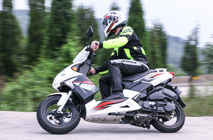
鈴鹿
踏板系列
鈴鹿
運(yùn)動(dòng)休閑系列
戰(zhàn)獒
走進(jìn)輕騎
公司簡(jiǎn)介
企業(yè)架構(gòu)
企業(yè)榮譽(yù)
企業(yè)歷程
企業(yè)公告
企業(yè)聲明
招標(biāo)公告
環(huán)保公示
人才招聘
產(chǎn)品世界
運(yùn)動(dòng)休閑系列
踏板系列
跨騎系列
彎梁系列
核心技術(shù)
發(fā)動(dòng)機(jī)核心技術(shù)
人工智能技術(shù)
品質(zhì)保證體系
環(huán)保技術(shù)
客戶(hù)服務(wù)
三包細(xì)則
保養(yǎng)和使用
用戶(hù)調(diào)查
在線(xiàn)留言
新聞動(dòng)態(tài)
企業(yè)動(dòng)態(tài)
行業(yè)資訊
市場(chǎng)活動(dòng)
關(guān)注與視野
服務(wù)熱線(xiàn):4006-586-117
輕騎摩托官方微博
?2001- 版權(quán)所有
濟(jì)南輕騎摩托車(chē)有限公司
魯ICP備05001500號(hào)
|
魯公網(wǎng)安備 37010202000543號(hào)
網(wǎng)站地圖
|
版權(quán)所有
|
精彩下載
-- 成員單位網(wǎng)站 --
中國(guó)長(zhǎng)安汽車(chē)集團(tuán)股份有限公司
云南西儀工業(yè)股份有限公司
保定天威集團(tuán)有限公司
利達(dá)光電股份有限公司
北京北機(jī)機(jī)電工業(yè)有限責(zé)任公司
南方工業(yè)資產(chǎn)管理有限責(zé)任公司
哈爾濱東安動(dòng)力股份公司
四川華川工業(yè)有限公司
四川華慶機(jī)械有限責(zé)任公司
四川寧江山川機(jī)械有限責(zé)任公司
四川建安工業(yè)有限責(zé)任公司
天威集團(tuán)
成都光明光電股份有限公司
成都陵川特種工業(yè)有限責(zé)任公司
武漢濱湖電子有限責(zé)任公司
武漢長(zhǎng)江光電有限公司
江西長(zhǎng)江化工有限責(zé)任公司
江鈴汽車(chē)股份有限公司
河南中光學(xué)集團(tuán)有限公司
河南中原特殊鋼集團(tuán)有限責(zé)任公司
洛陽(yáng)北方企業(yè)集團(tuán)有限公司
浙江先鋒機(jī)械有限公司
湖北華中光電科技有限公司
湖北華中藥業(yè)有限公司
湖北華強(qiáng)科技有限責(zé)任公司
湖南云箭集團(tuán)有限公司
湖南華南光電(集團(tuán))有限責(zé)任公司
湖南天雁機(jī)械有限責(zé)任公司
湖南江濱機(jī)器(集團(tuán))有限責(zé)任公司
西南兵器工業(yè)公司
西安昆侖工業(yè)(集團(tuán))有限責(zé)任公司
貴州高峰石油機(jī)械有限責(zé)任公司
重慶大江工業(yè)有限責(zé)任公司
重慶望江工業(yè)有限公司
重慶紅宇精密工業(yè)有限公司
重慶虎溪電機(jī)工業(yè)有限責(zé)任公司
重慶長(zhǎng)安民生物流股份公司
重慶長(zhǎng)江電工工業(yè)有限責(zé)任公司
重慶青山工業(yè)有限責(zé)任公司
黑龍江北方工具有限公司
-- 南方摩托車(chē)成員網(wǎng)站 --
嘉陵摩托
建設(shè)雅馬哈
洛陽(yáng)北企
輕騎鈴木
-- 其它網(wǎng)站 --
I-MOTOR周刊
摩托財(cái)智
重慶市大型科學(xué)儀器資源共享平臺(tái)
重慶市科技文獻(xiàn)資源共享平臺(tái)
捷瑞數(shù)字
| 制作維護(hù)
掃描二維碼
關(guān)注輕騎摩托
官方微信
返回頂部














 魯公網(wǎng)安備 37010202000543號(hào)